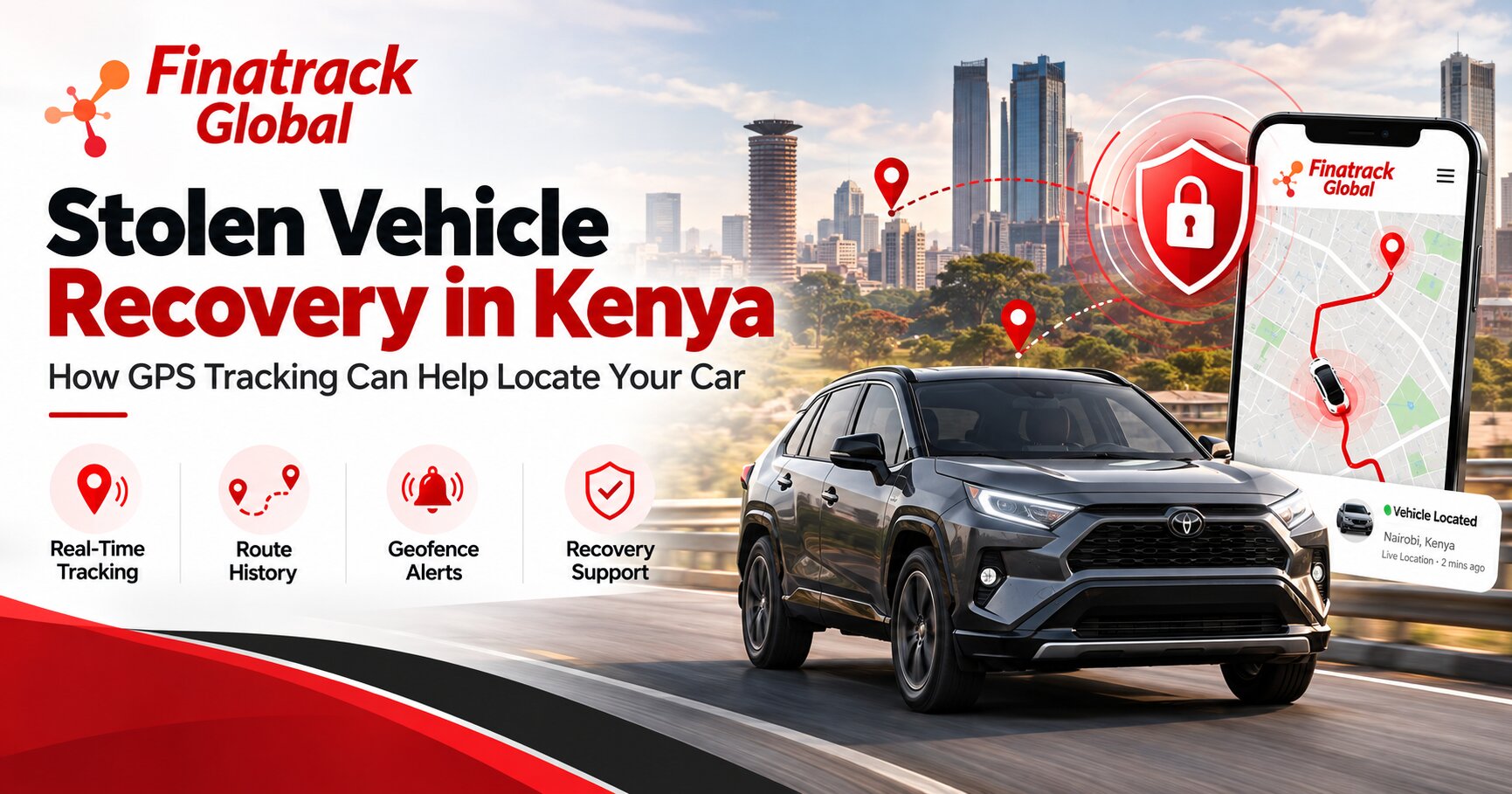
Modern GPS tracking is no longer limited to showing a vehicle as a moving dot on a map. Vehicle owners and fleet managers can now create virtual boundaries around important locations and receive alerts when a vehicle enters or leaves those areas. This technology, known as geofencing, is becoming an increasingly useful part of vehicle security and fleet management because it allows owners to monitor movement without having to watch the tracking platform throughout the day
A geofence is essentially a digital boundary created around a selected location using a GPS tracking platform. The boundary can be placed around a home, office, parking yard, school, construction site, customer location or any other area that is important to the vehicle owner. Once the vehicle crosses that boundary, the system can generate an alert depending on how it has been configured.
For a private motorist, this can provide an additional level of awareness when a vehicle is being used by another person. An owner may create a geofence around the home or workplace and receive a notification when the vehicle leaves unexpectedly. Instead of discovering several hours later that the car has moved, the tracking system can bring the activity to the owner’s attention much sooner.
The same feature can be particularly useful for businesses operating company vehicles. Fleet managers may have dozens of vehicles moving between offices, customer premises, depots and job sites, making continuous manual supervision difficult. Geofencing allows management to define approved operating areas and receive alerts when vehicles move outside those locations.
A delivery company, for example, can create geofences around distribution centres or customer locations. When a vehicle arrives or leaves, the tracking system can record the movement, giving management additional information about the progress of the journey. This can help businesses improve visibility without requiring drivers to constantly call the office with updates.
Construction companies can apply the same technology around project sites. Vehicles and equipment assigned to a particular site can be monitored to determine whether they remain within the expected area. If a vehicle leaves unexpectedly, the system can alert management and allow the situation to be investigated before significant time has passed.
Geofencing can also support vehicle security. A motorist may create a virtual boundary around the location where a vehicle is normally parked overnight. If the car leaves that area at an unusual time, the alert can provide an early indication that the vehicle has moved and may require attention.
This becomes more useful when geofencing is combined with other GPS tracking features. Real-time tracking allows the owner to see the vehicle’s current position, while historical route playback can show where it travelled after leaving the geofenced area. Ignition and movement alerts can provide additional information about when the vehicle became active, giving the owner a clearer understanding of what happened.
Remote immobilisation can provide another layer of control on systems where the feature is supported. If a vehicle leaves an approved area without authorisation, the owner can first use the tracking platform to establish its location and movement before deciding on the appropriate response. Such features should always be used responsibly and according to the way the tracking system has been configured.
For businesses, geofencing can also help reduce unauthorised vehicle use. Company vehicles may occasionally be driven outside approved routes or operating areas, particularly when they are assigned to several drivers. Geofence alerts can help management identify these movements and investigate whether they were related to legitimate business operations.
The information can also support better accountability. Instead of relying solely on a driver’s explanation of where a vehicle travelled, management can use tracking information to confirm whether it entered or left specific locations. This can be useful for delivery businesses, field service companies, logistics operators and organisations managing vehicles across several branches.
Geofencing does not mean that every movement should automatically be treated as suspicious. Routes can change because of traffic, road closures, customer requests or operational circumstances. The real value of the technology lies in giving the vehicle owner information that can be reviewed alongside the wider context of the journey.
For fleet owners, the system becomes more powerful when combined with speed monitoring, route history, AI dashcams and fuel monitoring. A geofence alert may show that a truck entered an unexpected location, while GPS history can reveal how long it remained there. Fuel monitoring may then show whether there was an unusual change in fuel level during the same period, giving management a much more complete picture of the event.
Finatrack Global Ltd provides GPS tracking solutions that can support features such as real-time vehicle tracking, historical playback, geofencing, speed monitoring and vehicle alerts depending on the tracking system installed. Customers can monitor their vehicles through mobile and web-based tracking platforms, giving both private motorists and businesses easier access to important vehicle information.
Professional setup is important because geofences need to reflect how a vehicle is actually used. A boundary that is too small may generate unnecessary notifications, while one that is too large may fail to provide useful information. Customers should therefore understand how to create, adjust and manage geofences so that alerts remain relevant to their normal driving or fleet operations.
The wider benefit of geofencing is convenience. Vehicle owners do not need to spend the entire day checking a map to know whether something unusual has happened. Once the appropriate boundaries have been created, the system can monitor those locations in the background and bring important movements to the owner’s attention.
As GPS tracking continues to develop, features such as geofencing are turning vehicle monitoring from a passive activity into a more proactive form of management. Whether the vehicle belongs to a private motorist, delivery company, logistics operator or construction business, knowing when it enters or leaves an important location can provide valuable information for security, accountability and operational control.
Finatrack Global Ltd provides professional GPS tracker installation for private vehicles, motorcycles and commercial fleets. Installation can be carried out at the company’s offices or at a customer’s convenient location.
For enquiries or professional installation, contact Finatrack Global Ltd on 0723 645 810, visit www.finatrack.co.ke, or visit the company at Vision Plaza, 1st Floor, Office 2, Mombasa Road, Nairobi.