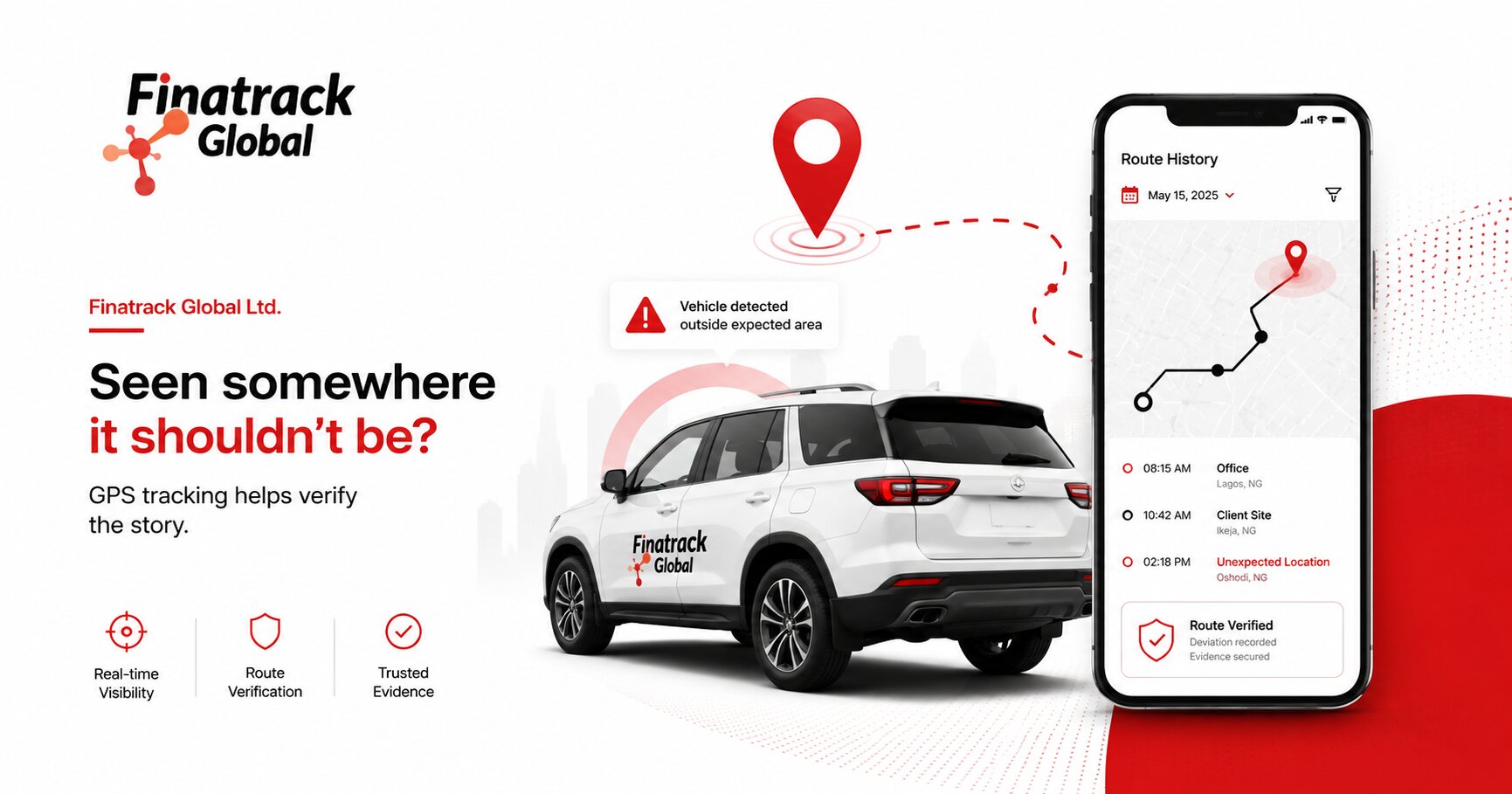
A car hijacking can unfold in seconds, but the decisions made immediately afterwards can influence what happens next. Once the vehicle is driven away, the owner may not know which road it has taken, whether it has changed direction or how far it has travelled. A professionally installed GPS tracking system can provide valuable information during this period, but vehicle owners also need to understand what the technology can realistically do and where its limitations begin.
GPS tracking should never encourage a vehicle owner to personally chase a stolen or hijacked car. A location appearing on a smartphone can create the temptation to follow the vehicle, but the people involved may be armed or operating as part of a larger criminal group. Tracking information is most useful when it supports an organised response involving the appropriate security and law enforcement channels rather than putting the vehicle owner in further danger.
The first thing an owner may be able to establish is the vehicle’s current or most recently reported location. If the tracker remains powered, connected and able to communicate, the tracking platform can continue receiving position updates as the vehicle moves. This provides a much stronger starting point than simply telling authorities where the hijacking occurred.
The last update time is just as important as the location itself. A vehicle marker on a map does not necessarily mean the car is still at that exact position because the tracker may have stopped communicating several minutes earlier. Owners and security personnel should therefore check both the location and the timestamp before treating the information as current.
If the tracker is updating normally, the movement pattern can reveal which direction the vehicle is travelling. The car may be moving towards another part of Nairobi, leaving the city or stopping at a particular location. This information can help authorised responders understand whether the vehicle is still in motion and whether its route is changing.
Trip history can also become useful as the incident develops. Even when the owner cannot monitor every second of movement, the tracking platform may record the route followed by the vehicle. This can provide important information for reconstructing what happened after the hijacking and identifying locations where the vehicle stopped.
A short stop deserves attention because stolen vehicles are not always driven continuously after the initial incident. Criminals may stop to inspect the car, change drivers, remove security equipment or wait before continuing. GPS tracking can make these changes in movement visible, although the information should always be interpreted carefully.
Ignition information can provide another useful layer where the tracker has been configured to detect it. If the vehicle stops and the ignition turns off, this may indicate that the car has been parked or temporarily abandoned. If ignition remains active while the vehicle is stationary, the circumstances may be different and require further observation.
Ignition status should not be treated as perfect proof of what is physically happening inside the vehicle. Different installation methods and vehicle electrical systems can affect how ignition information is detected. The most useful approach is to consider ignition data alongside movement, location and other available information.
A power disconnection alert can become particularly significant during a theft or hijacking. A wired GPS tracker normally depends on the vehicle’s electrical system for its main power supply, and disconnecting that supply may generate an alert depending on the device and configuration. During a security incident, unexpected power loss can indicate that someone may be interfering with the vehicle or tracker.
The same alert can also occur for ordinary reasons such as battery replacement or electrical repairs. During an active hijacking, however, the context is very different. If location updates suddenly stop shortly after a power disconnection alert, the possibility of deliberate interference deserves attention.
Some trackers contain an internal backup battery that can continue powering the device temporarily after external vehicle power disappears. The amount of backup time depends on the specific device, battery condition and operating configuration. Vehicle owners should understand whether their installed tracker has backup power before relying on it during an emergency.
This is one reason professional installation matters. A tracker that is poorly connected can lose power during normal driving, producing false security alerts and unreliable location information. During a real hijacking, the owner needs confidence that the system has been properly installed and tested.
Location alone is not enough if the tracker is easy to find. Criminals familiar with vehicle tracking may search common installation locations and attempt to remove or disable the device. Discreet placement makes this more difficult and can buy valuable time for the tracking system to continue reporting.
Vehicle owners should nevertheless avoid assuming that hiding one tracker makes the vehicle completely secure. A determined thief may eventually locate the device, particularly if they have enough time with the vehicle. This is why higher risk vehicles can benefit from layered tracking and security rather than depending on one device.
A wired GPS tracker can provide the primary tracking system for everyday use. A separately positioned wireless tracker can provide another source of location information if the main device is disconnected. A tracking tag using a different communication approach can provide an additional recovery layer depending on the technology selected.
The objective is redundancy. If the thief discovers the obvious security system, the owner still has another possibility of maintaining visibility. Layered protection does not guarantee recovery, but it reduces the risk that disabling one device immediately removes every tracking option.
Signal jamming introduces another challenge. Some criminals may use equipment designed to interfere with GPS or cellular communication, preventing a conventional tracker from sending normal updates. When this happens, the vehicle may suddenly appear offline even though the device is still physically installed and powered.
An offline status therefore needs to be interpreted carefully. The tracker could be experiencing weak network coverage, entering an underground area, losing power, developing a technical fault or being affected by deliberate interference. The events immediately before the tracker went offline can provide useful context.
If the vehicle was reporting normally and then suddenly lost communication during a suspected hijacking, the last known location becomes important. Authorities and recovery personnel may use that information together with the vehicle’s direction of travel and other available evidence. Even an interrupted tracking trail can narrow the area in which the next investigation begins.
Depending on the tracker and configuration, some devices may store journey information while communication is unavailable and transmit those records when connectivity returns. This means a vehicle that appears offline for a period may later show where it travelled during the communication gap. Owners should understand whether their specific tracking equipment supports this behaviour.
A backup tracking technology can become particularly valuable where signal interference is a serious concern. Different devices may depend on different communication methods, so disabling one system does not necessarily disable every layer. The appropriate combination should reflect the value of the vehicle and the owner’s risk profile.
Remote engine immobilisation is another feature that vehicle owners often associate with GPS tracking. Depending on the system installed, authorised users may be able to send a command that prevents the vehicle from continuing to operate under suitable conditions. This can be a powerful security capability, but it must be used responsibly.
A moving vehicle should not be disabled in circumstances where doing so could cause an accident. Stopping an engine while the vehicle is travelling at high speed, navigating traffic or carrying occupants can create serious danger to the driver, passengers and other road users. Any immobilisation procedure should prioritise safety and follow appropriate operational guidance.
A safer approach may involve waiting until the vehicle has stopped in an appropriate location before attempting immobilisation, depending on the system and incident circumstances. The decision should be coordinated carefully rather than made emotionally during the first moments after a hijacking. Technology should help recovery without creating another emergency.
Owners should also know whether their tracker actually includes remote immobilisation. Not every GPS tracking device is connected to the vehicle’s engine control circuit, and some systems are designed only for monitoring. A customer should understand the exact functionality of the installed solution before an emergency happens.
Car alarms and hidden cut off systems can add another security layer, but they perform a different role from GPS tracking. An alarm attempts to draw attention or discourage unauthorised access, while an immobiliser or cut off system makes vehicle operation more difficult. GPS tracking primarily provides visibility once movement occurs.
The strongest security strategy combines these functions rather than expecting one technology to perform every role. The alarm can make intrusion more difficult, the immobilisation system can restrict operation and the tracker can provide location information. A backup tracker or tag adds another layer if the primary system is interfered with.
Vehicle owners should also understand that hijacking differs from a vehicle being stolen while parked. During a hijacking, the victim’s immediate personal safety takes priority over protecting the car. Cooperating and moving away from danger is more important than attempting to activate security features while still close to the attackers.
Once the owner is safe, the tracking system can become useful. The first step should be establishing whether the vehicle is still reporting and recording the most recent location information. The owner can then provide relevant information to the appropriate authorities or authorised recovery personnel.
Important details may include the vehicle registration number, make and model, colour, last known location, direction of movement and the time the incident occurred. The tracker platform may provide some of this information more accurately than memory during a stressful situation. Having vehicle documentation readily accessible can also make reporting easier.
Screenshots can sometimes be useful for documenting location and time information, but they should not replace live access where authorised responders can monitor the changing position. A static screenshot quickly becomes outdated when the vehicle is moving. The most useful information is usually the latest available tracker position and timestamp.
Owners should avoid sharing live tracking information publicly on social media during an active recovery. Public posts can reveal what the owner knows and may interfere with professional response. Tracking information is better shared with people who have a legitimate role in the recovery process.
Password security also matters. A GPS tracking account contains sensitive information about the vehicle and its movement, so login details should not be casually shared. Strong credentials and controlled access reduce the risk that unauthorised people can view or interfere with the account.
For businesses, the response process should be documented before an incident occurs. Fleet managers should know who is contacted when a vehicle is stolen or hijacked, who has tracking access and who is authorised to issue immobilisation commands. Waiting until the incident happens to decide these responsibilities wastes valuable time.
Companies operating high value vehicles should consider having more than one authorised person who understands the tracking platform. If the only employee with login access is unreachable, the business can lose time while attempting to recover passwords or locate credentials. Secure but practical access arrangements are therefore part of fleet security planning.
Driver training should also include what employees should do after a hijacking. Drivers need to understand that protecting their own lives comes first and that they should not attempt dangerous confrontation simply to save the vehicle. Once safe, they should know how to report the incident quickly and provide accurate information to management.
Fleet managers can then check tracking information without repeatedly calling the affected driver during a stressful event. The platform provides the vehicle data while the employee focuses on personal safety and reporting what occurred. This separation makes the response more organised.
A tracker can also help distinguish between a vehicle that has been abandoned and one that continues moving. If the car stops at one location for an extended period, authorised responders can assess the situation using the latest tracking information. They should still approach any suspected recovery location cautiously because people involved in the theft may remain nearby.
Owners should never assume that finding the car on the map means the situation is safe. A stolen vehicle can be used as bait, guarded or located in an area where direct confrontation creates significant risk. Recovery should therefore remain a professional security matter.
Vehicle theft investigations can also benefit from historical GPS data after the immediate incident ends. Trip history may show where the car travelled, which roads were used and where stops occurred. This information can support broader investigation even if the vehicle was eventually recovered.
The tracking record may also help establish whether the vehicle was driven unusually before the theft was discovered. In some cases, the incident may have begun earlier than the owner initially believed. Historical movement can help establish a more accurate timeline.
Businesses should nevertheless understand that GPS data has limitations. Satellite positioning can experience temporary inaccuracies, communication can be interrupted and a tracker can be physically damaged or removed. Location information should therefore be treated as one valuable source of evidence rather than an infallible record.
This is why regular tracker health checks matter. A vehicle owner should not wait until a hijacking occurs to discover that the tracker stopped communicating several weeks earlier. Checking the application occasionally and confirming recent journey information helps maintain confidence in the system.
The last update time is one of the simplest checks. If a vehicle is driven regularly but the tracker shows no recent movement, something may be wrong. Technical support should investigate the problem while the car is still safely available.
Tracker functionality should also be checked after vehicle repairs. Battery replacement, dashboard work, alarm installation or other electrical procedures can accidentally disturb GPS tracker wiring. A car may leave the workshop functioning normally while its tracking device remains disconnected.
After electrical work, the owner should confirm that the tracker has returned online and that a new location appears. Where ignition monitoring or immobilisation is installed, those features should also be tested under safe conditions. This prevents a routine workshop visit from unknowingly removing part of the vehicle’s security.
Wireless backup trackers require their own maintenance. A battery powered unit eventually needs charging or battery replacement depending on its design. Installing a backup tracker and forgetting about it for years can create false confidence if the battery is already exhausted when theft occurs.
The same applies to tracking tags. Owners should understand how the device communicates, its expected battery life and what maintenance it requires. Layered security only works when each layer remains operational.
Insurance should remain part of the wider risk strategy as well. A GPS tracker can help with vehicle visibility and recovery, but it does not replace appropriate motor insurance. A serious theft can still result in financial loss even when sophisticated security technology is installed.
Physical security remains important too. Secure parking, steering or gear locks where appropriate, alarms, immobilisation and sensible key control can make theft more difficult before tracking is ever needed. GPS should be considered part of a broader vehicle protection plan.
Key security deserves particular attention with modern vehicles. Owners should control spare keys and avoid leaving keys where unauthorised people can easily access them. A sophisticated tracker cannot prevent misuse if someone already has legitimate access to the vehicle keys.
For company fleets, drivers should also know whether they are permitted to leave keys with parking attendants, workshop personnel or other third parties. Clear procedures reduce the likelihood that access to the vehicle becomes uncontrolled. Tracking can then provide additional visibility when the vehicle is temporarily outside direct supervision.
Hijacking risk also makes discreet tracker installation valuable. A highly visible GPS device or obvious wiring can immediately reveal the security system. Professional installation should make the tracker difficult to identify without compromising its ability to receive satellite signals and communicate reliably.
The installation should still remain serviceable. A tracker hidden so aggressively that technicians cannot access it during legitimate maintenance can create problems later. Professional installers need to balance concealment, signal performance and future technical support.
Fleet operators should also consider vehicle type when selecting security technology. A high value SUV, commercial truck and delivery motorcycle present different security risks and installation possibilities. The security configuration should be appropriate to the asset rather than using the same solution automatically across the entire fleet.
For higher risk vehicles, the business may choose a wired tracker for everyday monitoring, a wireless backup device for redundancy and an alarm or immobilisation system for physical protection. AI dashcams can add another source of incident information where appropriate. The combination should be designed around actual risk rather than simply adding technology for appearance.
The first minutes after a hijacking are therefore important, but preparation begins much earlier. A tracker must already be installed correctly, online and accessible before it can provide meaningful information during an incident. Account credentials, response contacts and recovery procedures should also be ready in advance.
When these elements are in place, GPS tracking can help turn a frightening situation into a more organised response. The owner can provide the latest location, monitor whether the vehicle remains active and share relevant information with authorised responders. Even when communication later disappears, the last known position and recorded route can still provide useful investigative information.
Finatrack Global Ltd provides professionally installed GPS tracking and layered vehicle security solutions for private motorists and businesses operating vehicles in Kenya. Depending on the customer’s security needs, solutions can include wired GPS tracking, wireless backup tracking, tracking tags, alarms, immobilisation and other vehicle security technologies.
Professional installation can be arranged at the customer’s convenient location or at Vision Plaza, 1st Floor, Office 2, Mombasa Road, Nairobi. Vehicle owners and businesses seeking stronger protection can contact Finatrack Global Ltd on 0723 645 810 or visit www.finatrack.co.ke to discuss a security solution appropriate for their vehicle.
A GPS tracker cannot promise that a hijacking will never happen, and it should never encourage an owner to put themselves in danger trying to recover a car. Its real value is providing information when visibility would otherwise disappear completely. In the critical minutes after a vehicle is taken, knowing where it went, when it last reported and whether another security layer remains active can give the recovery process a far stronger starting point.
:::