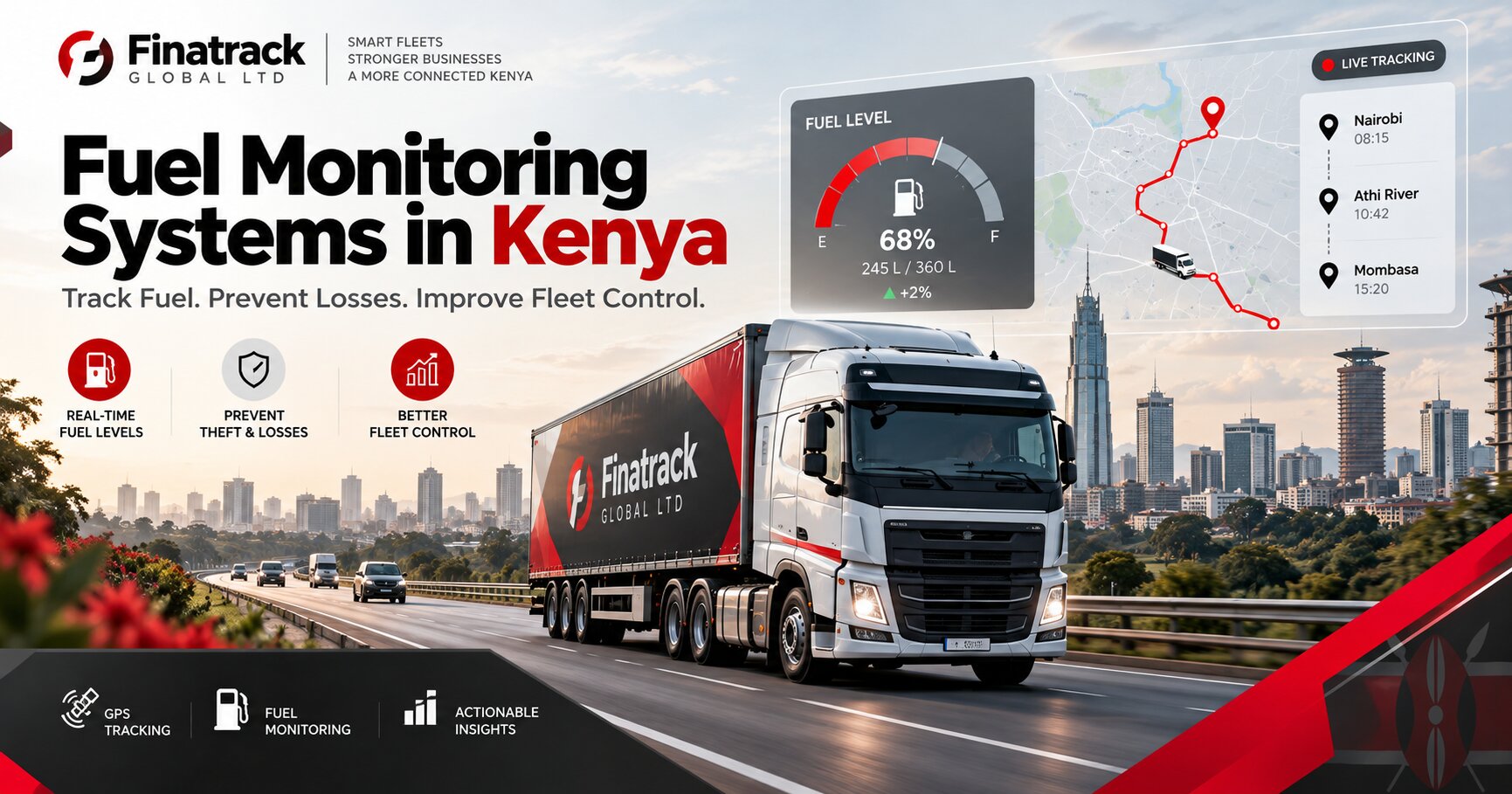
Fuel is one of the largest operating expenses for transport companies, logistics businesses and organisations managing commercial vehicles. When a fleet is operating across different routes and drivers are refuelling in several locations, it can become difficult for management to know exactly how much fuel is being used, when it is being consumed and whether unexplained losses are occurring. For many fleet owners, fuel monitoring is therefore becoming less of an optional extra and more of an important management tool.
A fuel monitoring system gives fleet managers greater visibility over changes in a vehicle’s fuel level. Instead of relying entirely on receipts, driver explanations or manual calculations, management can use technology to monitor fuel activity and compare it with the vehicle’s location and movement. This can help businesses identify unusual fuel drops, investigate possible siphoning and better understand how fuel is being used during different journeys.
The challenge is particularly significant for long-distance trucks. A truck may leave Nairobi and travel hundreds of kilometres before returning to the company yard, passing through several towns and making multiple stops along the way. During that journey, management may have very little physical visibility of what is happening with the vehicle. A fuel monitoring system can help close that gap by providing information remotely while the truck is still on the road.
Fuel siphoning is one of the problems the technology can help fleet owners investigate. If a vehicle records a sudden reduction in fuel while stationary or at an unexpected location, that change can be flagged for further review. The system does not automatically prove that theft has occurred, but it gives management useful information about when the fuel level changed and where the vehicle was at the time. This can make internal investigations more focused and reduce dependence on guesswork.
Refuelling can also be monitored more effectively. When fuel is added to a vehicle, the system can record the increase in the tank level, allowing the business to compare fuel purchases against actual changes in the vehicle. For companies managing several trucks, this additional information can improve accountability and make it easier to identify inconsistencies between fuel records and vehicle activity.
The value of the system becomes even greater when it is combined with GPS tracking. A GPS tracker can show where the vehicle travelled, the route it followed and how long it remained at particular locations, while fuel monitoring shows how fuel levels changed during the same period. When the two sets of information are viewed together, a fleet manager can build a much clearer picture of what happened during a journey.
For example, management may notice a significant fuel drop during a long stop that was not part of the scheduled route. GPS information can show the location of the stop, while the fuel monitoring system can show what happened to the fuel level during that period. Such information can help businesses ask more specific questions and improve control over fleet operations.
Fuel monitoring is not only about detecting theft. It can also help businesses identify inefficient fuel consumption. If one truck consistently consumes more fuel than similar vehicles operating on comparable routes, the business may need to investigate the vehicle, the route or the way it is being driven. Mechanical problems, excessive idling, aggressive driving and poor route planning can all contribute to higher fuel consumption.
This makes fuel data useful for improving overall fleet efficiency. Over time, fleet owners can compare vehicles, routes and operating patterns to identify areas where costs may be reduced. For a business operating several trucks, even a small improvement in fuel efficiency across the fleet can translate into meaningful savings over the course of a year.
Driver behaviour can also influence fuel consumption. Frequent harsh acceleration, unnecessary idling and aggressive driving can increase fuel use, while smoother driving habits may improve efficiency. When fuel monitoring is combined with GPS tracking and AI dashcam technology, fleet managers can gain a broader understanding of both vehicle movement and driver behaviour.
Finatrack Global Ltd provides a fuel monitoring system at KSh 35,000 installation plus KSh 1,000 monthly maintenance. The solution is designed for trucks and commercial fleets that need better visibility over fuel activity and want to strengthen accountability across their operations.
The system is especially relevant for logistics companies, transport businesses, construction firms and other organisations operating vehicles that spend long periods away from the main office. For such businesses, waiting until the end of the week or month to discover unexplained fuel losses may already be too late. Access to more timely information allows management to identify unusual activity earlier and investigate while the details are still fresh.
Professional installation is important because fuel monitoring equipment must be correctly fitted and configured for the vehicle being monitored. Incorrect installation or calibration can affect the accuracy of the information produced. The system should therefore be installed by technicians who understand both the monitoring equipment and the vehicle in which it is being fitted.
Finatrack Global Ltd provides professional installation and can combine fuel monitoring with GPS vehicle tracking, AI dashcams and other fleet management solutions. Installations can be carried out at the company’s offices or at a customer’s convenient location depending on operational requirements.
For fleet owners, fuel should not be treated as an expense that can only be reviewed after it has already been consumed. With the right monitoring technology, businesses can gain greater visibility over one of their largest operating costs, identify unusual activity and make better decisions about how their vehicles are being managed.
For enquiries or professional installation, contact Finatrack Global Ltd on 0723 645 810, visit www.finatrack.co.ke, or visit the company at Vision Plaza, 1st Floor, Office 2, Mombasa Road, Nairobi.