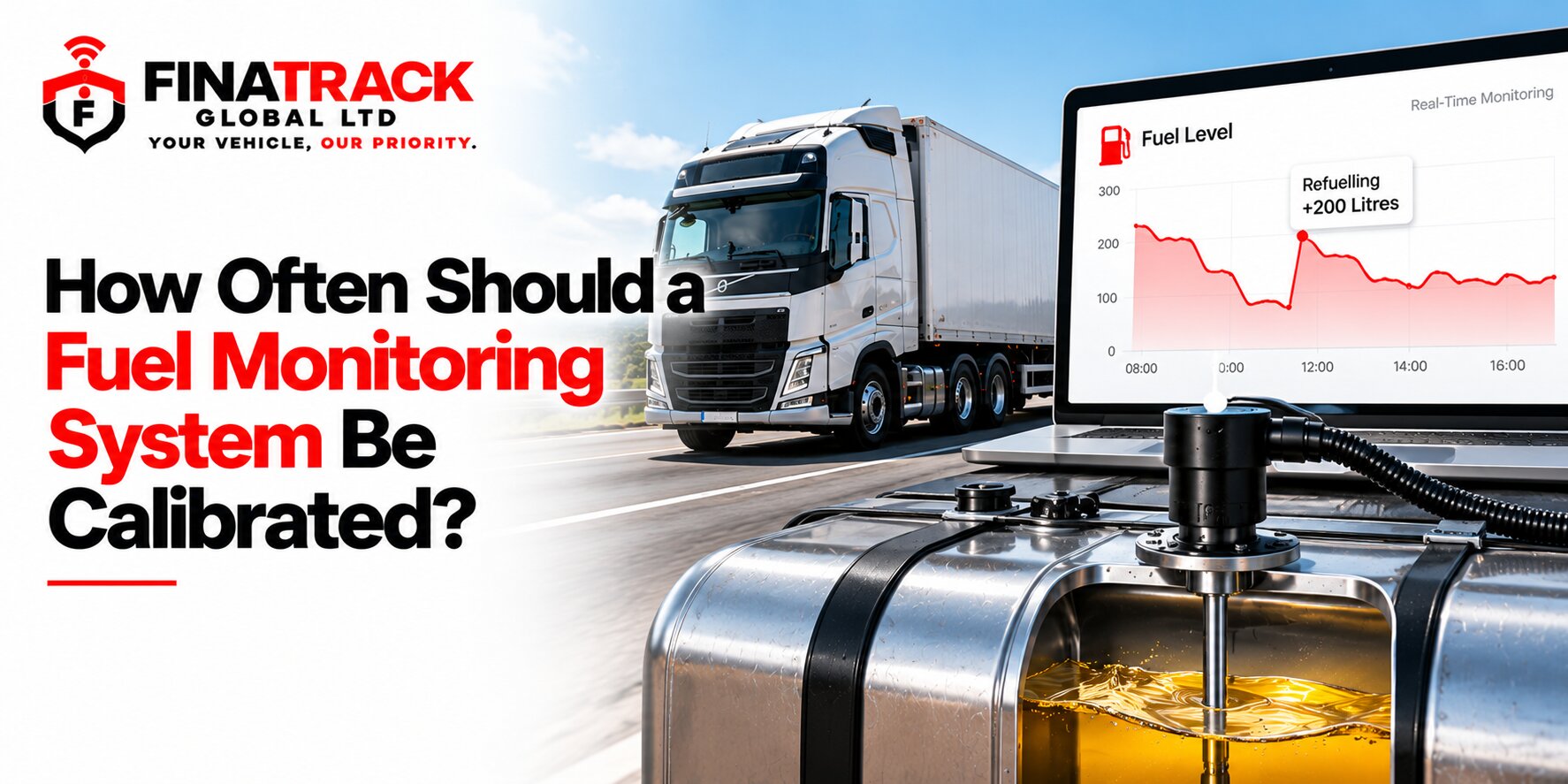
A fuel monitoring system can help a business understand refuelling, consumption and unusual fuel-level changes, but the quality of that information depends heavily on correct installation and calibration. When fleet managers notice readings that appear consistently higher or lower than expected, the immediate assumption may be that the sensor has failed. In many cases, however, the problem may simply be that the system needs inspection or recalibration. For businesses using a fuel monitoring system in Kenya, keeping the sensor properly calibrated is essential if the data is going to support real fleet decisions.
Calibration is the process of matching the sensor’s measurements with the actual amount of fuel inside a particular tank. This is important because fuel tanks are not all the same size or shape. A sensor reading halfway up the tank does not necessarily mean the tank contains exactly half of its total capacity. Proper calibration helps the monitoring platform translate changes in fuel height into a more useful estimate of litres or percentage remaining.
There is no single calendar interval that applies to every vehicle. A correctly installed system may continue performing reliably for a long period without requiring frequent recalibration, while another vehicle operating on rough roads or undergoing fuel-tank repairs may need attention sooner. Fleet managers should focus on changes in accuracy and vehicle history rather than recalibrating simply because a fixed number of months has passed. Consistent unexplained differences between physical refuelling and recorded fuel levels are a strong reason to have the system checked.
Certain events should also trigger an inspection. If the fuel tank has been removed, replaced, repaired or modified, the previous calibration may no longer accurately reflect its characteristics. The same applies if the fuel sensor itself has been repositioned during workshop work. After significant repairs around the tank or fuel system, businesses should confirm that the monitoring system still records refuelling and drainage events normally before depending on the data for fuel-control decisions.
Fleet managers should also understand that small fluctuations do not automatically mean calibration is wrong. Fuel moves inside the tank when a truck climbs hills, turns corners, brakes or travels across rough roads. Temporary changes in the graph can therefore be normal. A calibration problem is more likely when readings remain consistently inaccurate after the vehicle has settled on level ground or when repeated refuelling quantities do not reasonably correspond with the increases shown by the monitoring system.
Fuel receipts can help with calibration checks, but they should not be treated as the only source of truth. Suppose a driver presents a receipt showing 150 litres were purchased. Management can compare the recorded fuel increase with that amount while also considering the fuel level before refuelling, the tank’s position and whether the vehicle was parked on relatively level ground. Repeated large discrepancies deserve technical investigation, while one unusual reading may simply require additional context.
Combining GPS tracking with fuel monitoring can make the data even more useful. GPS information can show where a refuelling or drainage event occurred, how long the vehicle remained at that location and whether the ignition was on or off. If an unusual fuel drop happens at an unexpected location, management has more information to investigate. If similar fuel changes repeatedly occur while the truck is climbing steep routes, the pattern may point toward normal sensor movement rather than theft.
Finatrack Global Ltd provides professionally installed fuel monitoring and GPS tracking solutions for commercial fleets in Kenya. The Finatrack fuel monitoring solution is available from KES 35,000, with a KES 1,000 monthly maintenance and system fee, depending on the required configuration. Professional installation, calibration and technical support help fleet managers obtain more reliable information from the system rather than reacting to every small fuel-level movement. For installation and enquiries, call or WhatsApp 0723 645 810 or visit www.finatrack.co.ke. A fuel monitoring system is only as useful as the data it produces, and proper calibration helps turn that data into information a business can actually trust.