For many transport businesses, fuel is one of the largest and most difficult operating costs to control. A truck may cover the expected route and still consume more fuel than management anticipated, while small unexplained losses can disappear into everyday operating expenses without attracting much attention. This is why many fleet operators are asking whether a fuel monitoring system in Kenya is simply another cost or whether it can generate enough savings to justify the investment.
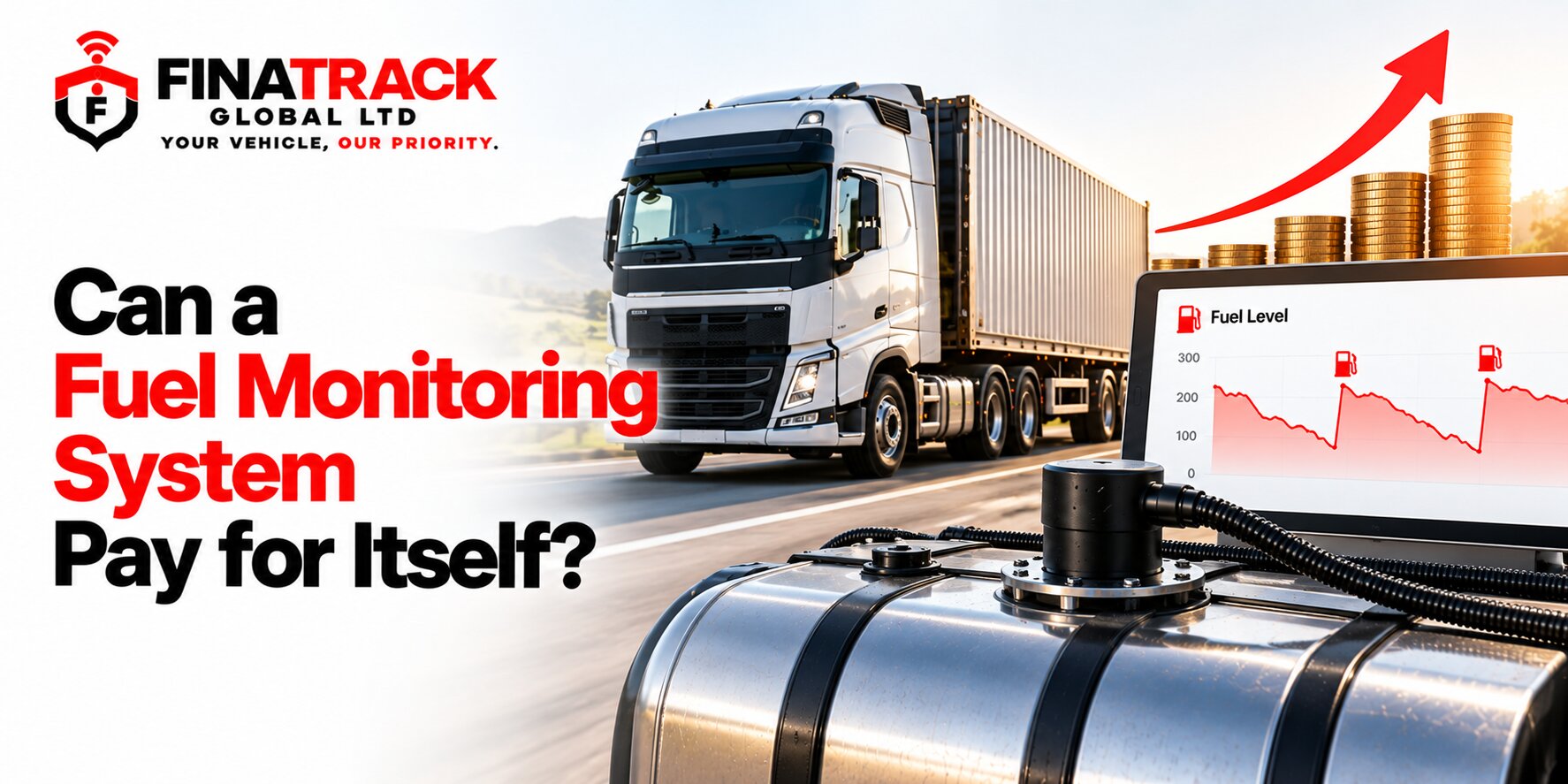
The value of a fuel monitoring system comes from giving management better information about what is happening inside the tank. Depending on the installation and configuration, fleet managers can review fuel-level changes, refuelling activity, unusual drops and consumption trends alongside GPS location and vehicle movement. Instead of depending only on receipts, driver explanations or occasional physical checks, the business gains a more continuous record that can help identify patterns that deserve investigation.
One way to measure return on investment is to compare the system cost with the value of fuel losses that can potentially be reduced. Suppose a business operates several trucks and loses only a small amount of fuel per vehicle each week through unexplained drainage, poor controls or inaccurate refuelling records. When that loss is multiplied across several vehicles and twelve months, the total can become substantial. If monitoring allows management to identify and correct even part of that problem, the system can begin paying for itself through avoided fuel loss.
The same calculation applies to excessive consumption and idling. A vehicle may not be losing fuel through theft, but it may still be using more than necessary because of long engine-on periods, inefficient routing, aggressive driving or mechanical problems. GPS and fuel data can help fleet managers compare mileage with fuel usage and identify vehicles that consistently perform differently from the rest of the fleet. The goal is not to accuse drivers automatically, but to find where operating costs are increasing and investigate the real reason.
Refuelling control can create another source of savings. If a driver reports adding 200 litres, management can compare the fuel receipt with the recorded increase in tank level and the vehicle’s location at the time. One unusual reading may have a legitimate explanation, but repeated differences can reveal weaknesses in the refuelling process. Better control can discourage abuse while also helping businesses improve record keeping and budgeting.
Fleet managers should calculate ROI over a reasonable period rather than expecting the system to recover its cost immediately. The simplest approach is to compare fuel expenditure before installation with fuel expenditure after the business has had enough time to act on the data. The comparison should also consider mileage, workload, fuel prices and route changes so that normal business growth is not mistaken for poor fuel performance. A company that expands its operations will naturally consume more fuel, even if efficiency has improved.
The return is not only financial. Better fuel visibility can reduce disputes between drivers and management because discussions can be based on recorded events rather than suspicion. It can also support maintenance planning by identifying vehicles whose fuel consumption changes unexpectedly, prompting mechanical inspection before a small problem becomes more expensive. For businesses operating trucks, construction vehicles, generators or high-consumption fleets, this additional visibility can improve both accountability and operational control.
Finatrack Global Ltd provides fuel monitoring and GPS tracking solutions for commercial fleets in Kenya. Finatrack’s fuel monitoring solution is available from KES 35,000, with a KES 1,000 monthly maintenance and system fee, depending on the required configuration. Businesses can combine fuel data with GPS location, trip history and vehicle activity to build a clearer picture of where fuel is being used and where losses may be occurring. For installation and enquiries, call or WhatsApp 0723 645 810 or visit www.finatrack.co.ke. A fuel monitoring system pays for itself when the information it provides helps the business reduce losses, improve efficiency and make better fleet decisions consistently.