A GPS tracker is a relatively small device, but installing one means connecting new electronic equipment to a vehicle’s electrical system. That naturally raises an important question for motorists: can installing a GPS tracker cause battery, wiring or other electrical problems in the car?
The answer is that a properly selected and professionally installed GPS tracker should not normally cause electrical problems. Problems are more likely to arise when the device is connected incorrectly, the wrong power or ignition source is used, wiring is poorly secured or an installer interferes with vehicle circuits without understanding how they operate. Manufacturer installation guidance places considerable emphasis on choosing suitable power, ground and ignition connections precisely because those details affect the reliability of both the tracker and the installation.
Modern vehicles contain far more electronics than many owners realise. The dashboard, engine-management system, airbags, security system, central locking, entertainment equipment and numerous control modules can all depend on the vehicle’s electrical network. Installing additional equipment therefore requires more care than simply finding a wire that appears to have electricity and attaching the tracker to it.
A professional tracker installation normally requires a stable source of power, a suitable ground connection and, where required, an appropriate ignition signal. Teltonika’s installation guidance, for example, recommends using a low-impedance power point such as the vehicle battery or an appropriate main power connection in the fuse box rather than choosing an arbitrary electrical wire. The manufacturer also recommends verifying voltage after connecting the device to ensure that the selected supply remains suitable.
This is one of the first areas where poor installation can create trouble. A technician who connects a tracker to an unsuitable circuit may cause the device to behave unpredictably or interfere with how the owner expects it to operate. The tracker may repeatedly switch on and off, fail to record trips correctly or disappear from the tracking platform even though the hardware itself is not defective.
Ignition detection requires similar care. A tracker may need to know when the vehicle has been switched on so that it can distinguish driving from parking and generate appropriate trip or ignition information. Manufacturer guidance specifically warns installers to confirm that the chosen wire is a genuine ignition source rather than simply an accessory circuit whose behaviour may change when other vehicle systems are activated.
An incorrectly selected ignition connection can create confusing tracking behaviour. The platform may show the vehicle as switched on when it is actually parked, or report ignition off while the engine is running. Although this may not necessarily damage the vehicle, it can affect trip history, alerts and the reliability of information the owner receives from the tracking system.
Grounding is equally important. Some tracker manufacturers warn against simply attaching the ground wire to any convenient piece of metal because electrical potential can vary depending on the point selected. Their installation instructions instead specify suitable grounding locations or approved points associated with the vehicle’s electrical system.
Poor grounding can result in intermittent tracker behaviour that is difficult for the customer to understand. The vehicle may appear online one moment and offline the next, or the system may behave differently when headlights, air conditioning or other electrical equipment is operating. A technician may initially blame the tracking device when the real problem is the quality of the electrical connection.
Circuit protection is another important part of professional installation. Several Teltonika vehicle-tracker installation guides specify an external fuse in the power circuit, with certain models recommending a 3 A, 125 V fuse. The exact requirement depends on the tracker being installed, so installers should follow the specifications for the particular device rather than using one method for every product.
The purpose of proper circuit protection is straightforward. If an electrical fault occurs, the tracker installation should not unnecessarily expose the rest of the vehicle wiring to the consequences. This is one reason customers should be cautious when they see trackers connected using loose wires with no obvious protection or proper finishing.
Battery drain is probably the electrical complaint most commonly associated with tracking devices. Because a wired GPS tracker normally remains connected while the car is parked, it consumes a small amount of power from the vehicle battery. A properly designed tracker can use power-management and sleep functions to reduce consumption, but an unsuitable installation, incorrect configuration or already weak vehicle battery can make battery problems more noticeable.
This does not mean every flat battery after GPS installation was caused by the tracker. A vehicle can already have a weak battery, alternator problem, aftermarket alarm, dashcam or another accessory consuming electricity while parked. The correct approach is to test the electrical system and identify the actual source of excessive drain rather than immediately disconnecting the tracker.
Timing can sometimes create a misleading conclusion. A tracker may be installed on a five-year-old vehicle whose battery is already close to needing replacement, and a few weeks later the car struggles to start. Because the tracker is the newest electrical accessory, it is easy to blame it even when the battery was already deteriorating.
The opposite situation can also occur. If starting problems begin immediately after an installation, the tracker should not automatically be cleared of responsibility either. The power connection, configuration and overall installation should be inspected properly to determine whether something was done incorrectly.
Another area requiring particular expertise is remote engine immobilisation. Some tracking installations include an additional circuit that allows an authorised user to disable vehicle operation under appropriate conditions. Because this involves interacting with the vehicle’s electrical system beyond simple location tracking, the installation needs to be performed carefully and tested under controlled conditions.
The vehicle should behave exactly as expected after installation. Warning lights should not suddenly appear on the dashboard, normal starting should remain reliable and the vehicle’s original functions should continue operating properly. If immobilisation is included, the feature should be demonstrated safely before the customer leaves.
Vehicle owners should therefore pay attention to the car immediately after installation. A professional GPS installation should not leave dashboard panels loose, wires hanging below the steering column or electrical tape covering exposed connections. Manufacturer mounting instructions recommend securing tracker wiring to stable components and properly reassembling vehicle trim after functionality has been confirmed.
Poor workmanship may be visible even to someone with no technical training. Loose wiring near the driver’s feet, dashboard clips that no longer fit, unexplained rattles or electrical equipment behaving differently after installation are all reasonable reasons to return to the installer for inspection.
The tracker itself also needs to be mounted securely. A device left loose behind the dashboard can move as the vehicle travels over rough roads, placing stress on its wiring and connections. Manufacturer installation guidance includes the use of appropriate fasteners and the secure routing of power, ground and optional ignition wiring before dashboard components are reassembled.
This becomes particularly important in commercial vehicles. Trucks, pickups, motorcycles and construction vehicles may experience far more vibration and rough-road use than an ordinary city car. An installation that initially appears acceptable can develop intermittent problems if wires and connectors were never secured properly.
Modern vehicles also have computer-controlled electrical systems that may behave differently after the ignition is switched off. Some manufacturers’ tracker installation guidance warns that power can remain present on certain wires for several minutes while the vehicle’s computers complete their shutdown process. An installer therefore needs to understand whether a selected circuit remains permanently live, behaves as an accessory circuit or changes after the vehicle enters sleep mode.
This is another reason installing a tracker should involve a multimeter and proper testing rather than guesswork. A wire that appears suitable immediately after the engine is switched off may behave differently 20 minutes later. The installer needs to understand those conditions before considering the job complete.
The customer’s experience after installation can provide useful clues. The tracker should appear online, the reported vehicle location should make sense and the ignition status should correspond with what the car is actually doing. A short test journey should then appear in trip history according to the platform’s normal reporting behaviour.
If the tracker includes alerts, those should also be configured and checked where practical. The customer should understand how to identify whether the device is online and who to contact if it begins behaving unusually. Professional installation involves the tracking platform as much as it involves the wiring hidden inside the dashboard.
Electrical problems can also arise later when another technician works on the vehicle. A mechanic replacing a battery, installing a radio, repairing an alarm or carrying out dashboard work may unknowingly interfere with tracking wiring. A tracker that operated perfectly for two years can suddenly develop problems after unrelated electrical repairs.
Vehicle owners should therefore inform mechanics that a tracking system has been installed whenever substantial electrical work is being carried out. Once the repairs are finished, checking that the tracker has returned online should form part of the handover.
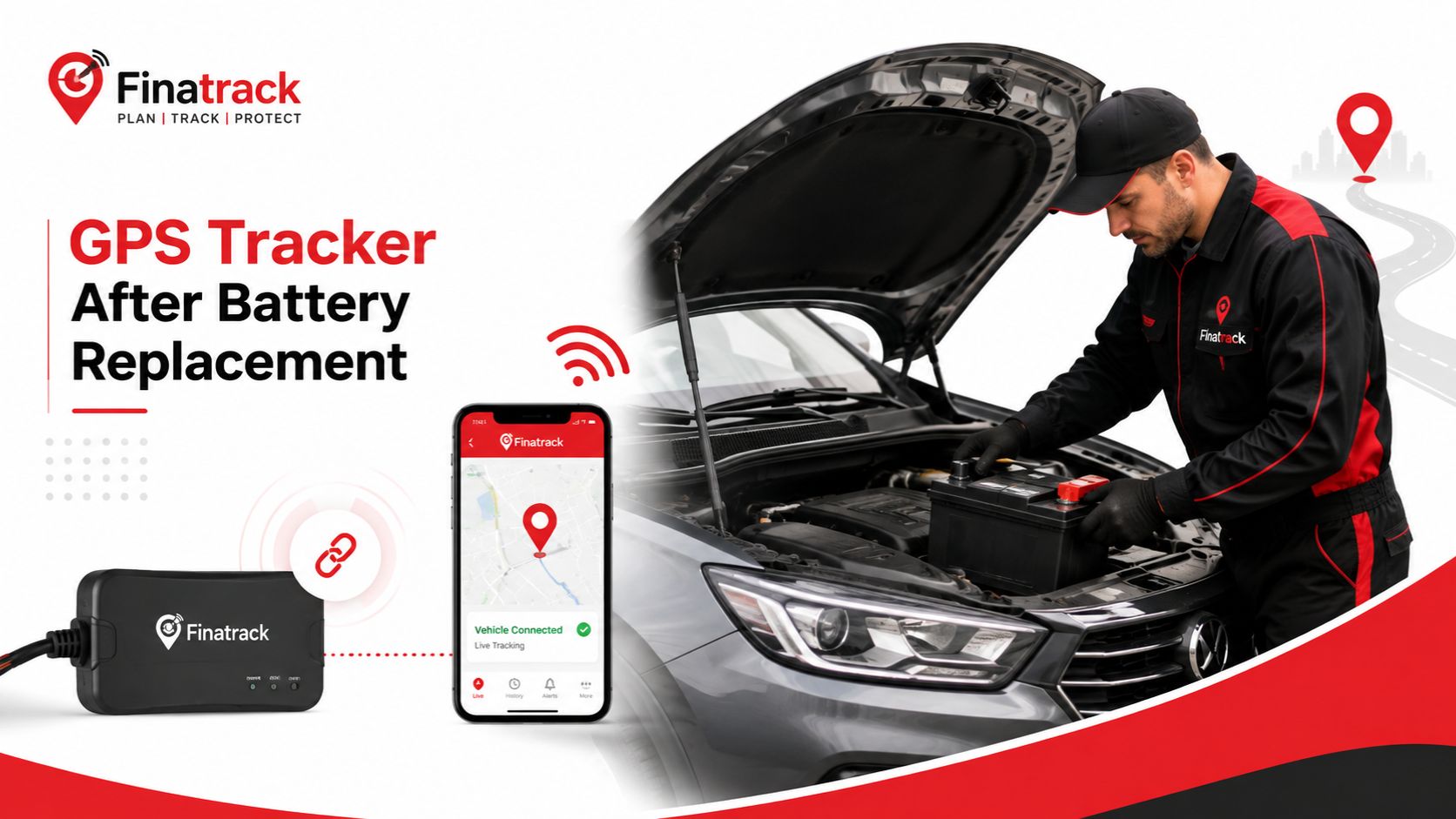
The same principle applies when replacing the vehicle battery. The GPS tracker may temporarily lose external power while the battery is disconnected, but it should normally return to operation once power is restored if its installation remains intact. If it does not, the power connection and tracker fuse should be checked before assuming the device itself has failed.
Fleet operators should be even more systematic. When dozens of trackers are installed across company vehicles, inconsistent workmanship can create repeated maintenance problems that become expensive over time. A professional fleet installation should follow a consistent procedure for wiring, device identification, platform setup and testing.
Documentation also matters. A fleet manager should know which tracker is fitted to which vehicle and when it was installed. If an electrical issue occurs later, technicians can then identify the correct equipment quickly rather than dismantling the vehicle unnecessarily.
Customers should be especially cautious about extremely cheap installations where the provider focuses only on getting the vehicle to appear on the tracking platform. A tracker being online immediately after installation does not prove that the wiring was completed professionally.
The more useful test is whether the system continues operating reliably weeks, months and years later without creating unnecessary problems for the vehicle.
That is where professional installation earns its value.
A properly installed tracker should largely disappear into the vehicle. The customer should not see loose wires, should not experience new electrical faults and should not need to think about the hardware every day. They should simply be able to open the tracking platform when necessary and find reliable information about the vehicle.
If a vehicle begins developing electrical problems after a GPS installation, the issue should be investigated rather than accepted as normal. Check whether the battery is healthy, whether the charging system is working correctly and whether other aftermarket accessories are drawing power. The tracking installation should then be inspected to confirm that its power, ground, ignition and any immobilisation connections were completed properly.
Removing the tracker should not automatically be the first solution. If the problem is a loose wire or incorrect connection, correcting the installation may restore both reliable tracking and normal vehicle operation.
The main lesson for motorists is therefore straightforward. Installing a GPS tracker should not normally cause electrical problems when the correct device is fitted professionally and according to proper installation procedures. The greater risk comes from poor workmanship, unsuitable connections and installations that are never properly tested.
Finatrack Global Ltd provides professional GPS tracking and vehicle-security installations for private cars, motorcycles and commercial fleets in Kenya. Installations can include tracking, ignition monitoring and additional security features according to the customer’s vehicle and requirements.
Professional installation can be arranged at the customer’s convenient location or at Vision Plaza, 1st Floor, Office 2, Mombasa Road, Nairobi. For GPS tracking installation and technical support, contact Finatrack Global Ltd on 0723 645 810 or visit www.finatrack.co.ke.
A GPS tracker should add visibility to your vehicle.
It should not add electrical problems.