A company vehicle earns its value when it is available to work. A delivery van sitting at a garage, a truck stranded on the highway or a service vehicle waiting several days for maintenance can quickly become more expensive than the repair itself. The business may lose deliveries, delay customers, hire replacement transport or place additional pressure on the remaining vehicles in the fleet.
For Kenyan businesses operating commercial fleets, vehicle downtime is therefore more than a mechanical problem. It is an operational cost that can affect revenue, customer service and staff productivity at the same time. GPS tracking and fleet telematics cannot prevent every breakdown, but they can give managers better information for identifying maintenance needs, responding to problems faster and understanding which vehicles are spending too much time out of service.
Fleet downtime begins whenever a vehicle that should be productive becomes unavailable. The reason may be a mechanical breakdown, delayed servicing, an accident, tyre failure, electrical problems or simply poor planning that leaves a vehicle sitting idle while other units are overloaded. Understanding why vehicles are unavailable is the first step towards reducing how often those disruptions occur.
Mileage information is one of the most useful tools for this purpose. Two vehicles purchased in the same year can have completely different maintenance requirements if one travels several thousand kilometres every month while the other operates only occasionally. A fleet manager who relies mainly on calendar dates may therefore service one vehicle too late and another earlier than necessary.
GPS tracking provides a clearer record of how much distance each vehicle is actually covering. Managers can identify the units accumulating mileage fastest and prepare for scheduled servicing before maintenance becomes urgent. This allows workshop visits to be organised around operational needs rather than waiting until drivers report that a vehicle is already developing problems.
Preventive maintenance can significantly reduce unexpected downtime. A truck that misses an important service may continue operating for a short period, but the risk of mechanical failure can increase as neglected components deteriorate. When maintenance is planned using actual utilisation data, the business has a better opportunity to address routine requirements while the vehicle is still operating normally.
The timing of maintenance also matters. A business may know that a vehicle needs servicing but repeatedly postpone the workshop visit because every vehicle appears busy. Eventually the vehicle breaks down during an important assignment, creating a much larger disruption than the planned maintenance would have caused.
Fleet visibility helps managers make better scheduling decisions. If tracking records show that one vehicle normally has lighter utilisation on certain days, maintenance can be arranged during those periods. Another vehicle can be serviced when delivery demand is lower rather than removing several important assets from operation at the same time.
This is particularly valuable for SMEs that operate relatively small fleets. A company with four delivery vans losing one vehicle has immediately lost a quarter of its delivery capacity. Reducing downtime therefore becomes even more important because smaller businesses have fewer backup vehicles available when something goes wrong.
Breakdowns will still happen even in well maintained fleets. When they occur, GPS tracking can help management respond faster because the latest vehicle position is already available through the tracking platform. The driver does not need to spend several minutes trying to describe an unfamiliar road or searching for the nearest landmark.
A fleet manager can review the vehicle’s current or last reported location and coordinate assistance from a mechanic, recovery service or nearby company vehicle. Faster location identification can reduce the time between the breakdown being reported and help actually being dispatched. This becomes especially useful for vehicles operating outside Nairobi or along long distance routes.
Consider a delivery truck travelling from Nairobi towards Nakuru when it develops a mechanical problem. The driver may explain that the vehicle stopped somewhere after Naivasha, but that description may still cover a substantial distance. GPS tracking can give the business a more precise location from which recovery arrangements can begin.
The same advantage applies to field service companies. A technician travelling to a customer may experience a puncture or mechanical problem while working in an unfamiliar area. Instead of cancelling the entire day’s assignments immediately, management can identify where the vehicle is and determine whether another company vehicle is already nearby.
Real time fleet visibility can therefore help businesses redistribute work during a disruption. If one delivery vehicle becomes unavailable, management can see which other units are closest and whether part of the affected workload can be reassigned. The ability to respond quickly can reduce the effect of one vehicle failure on the entire operation.
Trip history can also reveal early warning signs about how vehicles are being used. A vehicle repeatedly covering unusually long distances may be approaching service requirements much faster than management expected. Another vehicle may show repeated long stops that could indicate mechanical problems, loading delays or operational inefficiencies that deserve investigation.
Vehicle utilisation data helps managers see whether workload is distributed evenly. One truck may be operating almost continuously while another spends much of the working week parked. The heavily used vehicle will naturally accumulate wear faster, increasing its likelihood of maintenance related downtime.
Better allocation can reduce this pressure. If suitable vehicles can share workloads more evenly, the business may avoid repeatedly overworking the same units. This does not mean every vehicle should cover identical mileage, but management should understand why large utilisation differences exist.
Driver behaviour can also contribute to vehicle downtime. Repeated harsh braking, aggressive acceleration and excessive speed can increase mechanical wear and expose vehicles to greater accident risk. Over time, the cost may appear through more frequent brake replacement, tyre wear, suspension repairs and unexpected workshop visits.
Depending on the tracking system installed, telematics can help identify repeated driver behaviour patterns. Fleet managers can use this information to provide coaching before aggressive driving becomes normal across the business. The objective should be reducing risk and mechanical stress rather than punishing drivers automatically for isolated events.
Kenyan road conditions also require context. Potholes, sudden pedestrian movement, motorcycles and unpredictable traffic can force even careful drivers to brake sharply. One event therefore means little on its own, while recurring patterns over several journeys provide more useful management information.
Overspeeding can contribute to the same problem. Driving consistently at excessive speeds can increase accident exposure while placing additional stress on tyres and other components. A serious accident can remove a vehicle from service for weeks or permanently, making driver safety an important part of downtime reduction.
AI dashcams can provide additional information for businesses seeking more advanced fleet safety management. GPS data may show that a harsh event occurred, while video can help explain what happened immediately before it. This allows management to distinguish between necessary evasive driving and repeated unsafe behaviour.
Fuel and downtime are also connected in ways businesses sometimes overlook. A vehicle experiencing mechanical problems may begin consuming more fuel before it fails completely. Poor engine performance, incorrect tyre pressure or other faults can affect both consumption and reliability.
When fuel expenditure rises without a clear increase in mileage, management has a reason to investigate the vehicle more closely. The explanation may involve driver behaviour, congestion or operational changes, but mechanical condition should also be considered. Early investigation can identify faults before they become roadside breakdowns.
Dedicated fuel monitoring can provide additional information for suitable commercial vehicles. When fuel level and refilling information is combined with trip history, managers gain a clearer picture of vehicle operating patterns. The objective is not simply reducing fuel losses but understanding the overall condition and efficiency of the fleet.
Idling can contribute to maintenance requirements as well. A vehicle may appear to have travelled relatively few kilometres while its engine has spent many hours running during loading, waiting or site operations. Mileage alone may therefore understate how heavily the engine is being used.
Fleet managers should consider both distance and operating behaviour when planning maintenance. A vehicle spending hours idling every working day can experience substantial engine use despite appearing lightly utilised based on mileage. Tracking information can help reveal these operating patterns.
Construction and project vehicles provide a good example. A pickup or truck may travel only moderate distances around a project site while spending long periods active during the working day. Another vehicle may travel long highway distances but spend relatively little time idling.
Both vehicles are working hard in different ways. Fleet telematics helps management see those differences rather than applying the same assumptions to every asset.
Poor route planning can indirectly increase downtime by accelerating vehicle wear. A delivery van that travels unnecessary kilometres every day reaches maintenance intervals faster than it should. It also consumes tyres, brakes and suspension components sooner because the vehicle is doing work that may not be commercially necessary.
GPS trip history allows businesses to review these journeys and identify inefficient routing. Customer visits can be grouped geographically, delivery zones can be redesigned and field assignments can be allocated to the nearest suitable vehicle. Reducing unnecessary mileage helps lower operating costs while also slowing the rate at which vehicles accumulate wear.
This becomes significant across a large fleet. Saving a few kilometres on one vehicle may appear insignificant, but reducing unnecessary mileage across twenty or fifty vehicles every day can delay maintenance requirements across the entire fleet. Small operational improvements can therefore reduce both fuel expenses and workshop downtime.
After hours vehicle use creates a similar problem. A company car that continues accumulating personal mileage during evenings and weekends may require servicing earlier than management expected. The business pays not only for the extra fuel but also for the maintenance created by that additional use.
Trip history helps make these journeys visible. Clear company policies can then define what constitutes authorised and unauthorised use. Where employees are permitted to use vehicles personally, management can still account for how that mileage affects maintenance planning.
Tracker alerts can also support vehicle health monitoring indirectly. A repeated power disconnection event, for example, may indicate electrical work, battery problems or a poor tracker connection. While such an alert is primarily related to tracking equipment, unusual electrical activity can sometimes give management a reason to inspect the vehicle more closely.
Battery replacement should also trigger a simple tracker health check. After the new battery is installed, management should confirm that the GPS device has returned online and is reporting fresh information. A vehicle can leave a workshop mechanically ready for work while the tracker remains disconnected because wiring was disturbed during repairs.
This is why GPS equipment should be included in workshop handover procedures. After electrical work, dashboard repairs or battery replacement, somebody should verify that location and ignition information are functioning normally. Maintaining tracking reliability ensures the fleet manager continues receiving the information needed for maintenance and operational decisions.
A tracker that remains offline can create its own form of management downtime. The vehicle may still be working physically, but management loses visibility over how it is being used. If this continues for several weeks, mileage records and trip information can become incomplete.
Fleet managers should therefore perform regular tracking system checks. Vehicles with unusually old last update times should be identified and investigated. A tracking device that is not communicating should not be ignored simply because the vehicle itself continues operating.
This routine becomes more important as fleets grow. One offline tracker can easily disappear among dozens of vehicles if management does not actively review device status. A simple fleet health review can identify tracking problems before important data is lost.
Downtime reporting should also extend beyond mechanical breakdowns. A vehicle may be technically available but still spend an excessive amount of the working day parked without productive assignments. From a financial perspective, that asset is still generating insurance, depreciation and other ownership expenses while providing little operational value.
GPS tracking can reveal these utilisation patterns. Management may discover that one branch has several underused vehicles while another location struggles with transport availability. Reallocating existing assets may improve fleet productivity without purchasing additional vehicles.
This can produce significant financial savings. Buying another vehicle creates new insurance, maintenance, tracking, fuel and depreciation costs. Before increasing the fleet, management should first understand whether the vehicles it already owns are being used efficiently.
The opposite finding can also support investment decisions. If tracking records show that nearly every vehicle is operating at high utilisation and downtime immediately creates serious service disruption, the business may genuinely need additional capacity. GPS information gives management stronger evidence for making that decision.
Replacement planning can benefit from historical utilisation as well. Vehicles do not age only according to calendar years. A heavily used commercial vehicle may experience far more mechanical wear than another asset purchased at the same time.
Understanding mileage and usage helps management identify vehicles that may become increasingly expensive to maintain. Repeated downtime, rising repair costs and high utilisation can indicate that replacement deserves consideration. Waiting until the vehicle becomes completely unreliable can result in higher costs and greater operational disruption.
Businesses should therefore record not only how often vehicles break down but how much downtime each unit creates. One older truck may require several workshop visits every month, while another similar vehicle continues operating reliably. Looking at repair frequency together with utilisation helps management determine which assets are becoming commercially inefficient.
Customer service is closely connected to this issue. A customer waiting for an important delivery does not care that the vehicle failed because a service interval was missed. From the customer’s perspective, the business simply failed to deliver on time.
Reducing downtime therefore supports customer retention as well as fleet cost control. More reliable vehicles allow businesses to make more dependable delivery and service commitments. When breakdowns do happen, better fleet visibility helps management communicate accurately and reorganise resources faster.
Businesses should also avoid creating unrealistic operating schedules that encourage drivers to ignore vehicle problems. A driver who reports unusual noises or warning lights should not be pressured to continue operating simply because the company cannot spare the vehicle. Small mechanical problems can become much larger failures when early warnings are ignored.
GPS tracking cannot diagnose every mechanical fault, but it gives management a stronger operating picture. Mileage, utilisation, journey patterns and driver behaviour can indicate which vehicles deserve closer attention. When combined with proper inspections and professional maintenance, that information can support a more proactive fleet strategy.
For SMEs, the process does not need to become complicated. Management can begin by reviewing basic indicators such as current mileage, recent journeys, high utilisation and unusual tracker activity. These simple checks can already improve maintenance planning compared with relying entirely on driver memory.
Larger fleets can use more structured reporting. Vehicles can be reviewed according to mileage, utilisation, repeated driving events and operating patterns. Fleet managers can then prioritise maintenance based on actual vehicle activity and business importance.
Technical support from the tracking provider also matters. Devices may need inspection, vehicles may be replaced and tracking equipment may need to be moved or reconfigured. A tracking system should continue supporting the fleet as vehicles and business operations change.
Professional installation remains the foundation of reliable tracking. A poorly connected tracker can produce gaps that undermine mileage and utilisation information. Secure wiring, correct configuration and proper testing are therefore essential when a business intends to use tracking information for fleet management rather than only basic theft recovery.
The greatest reduction in downtime comes when vehicle tracking, maintenance and operations are treated as connected activities. Management should know how much each vehicle is working, when it is approaching maintenance requirements and which other vehicles can take over if one unit becomes unavailable. GPS tracking provides the visibility required to connect those decisions.
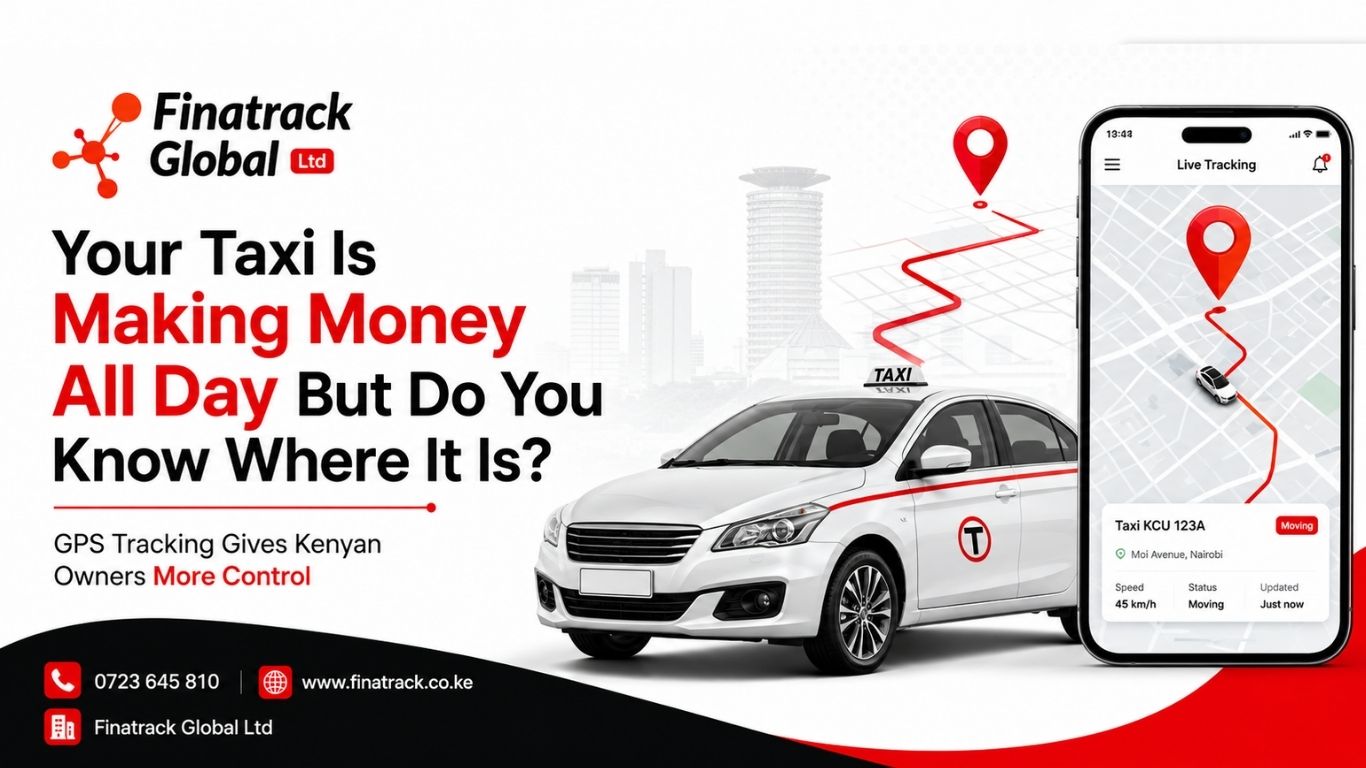
Finatrack Global Ltd provides professionally installed GPS tracking and fleet telematics solutions for Kenyan businesses operating commercial and private vehicle fleets. Depending on the organisation’s requirements, solutions can provide real time location, trip history, mileage information, driver monitoring, fuel monitoring, AI dashcams and additional fleet management functionality.
Professional installation can be arranged at the customer’s convenient location or at Vision Plaza, 1st Floor, Office 2, Mombasa Road, Nairobi. Businesses seeking better visibility over fleet utilisation and vehicle operations can contact Finatrack Global Ltd on 0723 645 810 or visit www.finatrack.co.ke to discuss a suitable fleet tracking solution.
Reducing fleet downtime does not begin when a vehicle breaks down on the roadside. It begins much earlier by understanding how heavily each vehicle is being used, planning maintenance around real operating information and responding quickly when something changes. GPS tracking gives businesses the visibility needed to keep more vehicles where they generate value, on the road and working.