Your GPS App Says “Last Seen 3 Hours Ago.” What Does That Actually Mean?
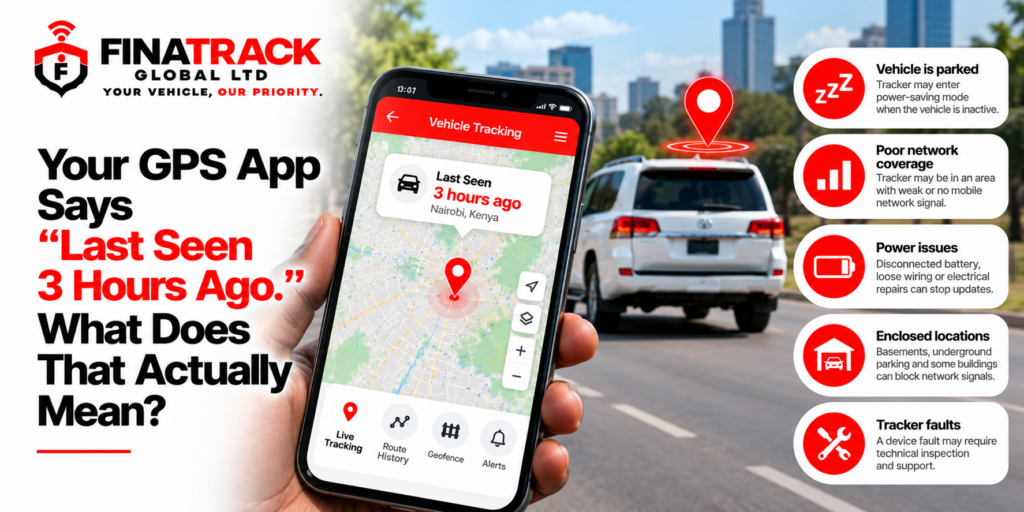
You open your vehicle tracking app expecting to see the current location of your car, but instead the screen shows “Last Seen 3 Hours Ago.” For many vehicle owners, that message immediately creates concern. Has the tracker been disconnected? Has the vehicle moved into an area without network coverage? Or is the tracking device simply […]
GPS Tracking Beyond Vehicles: Can You Monitor Generators, Construction Equipment and Other Mobile Assets?
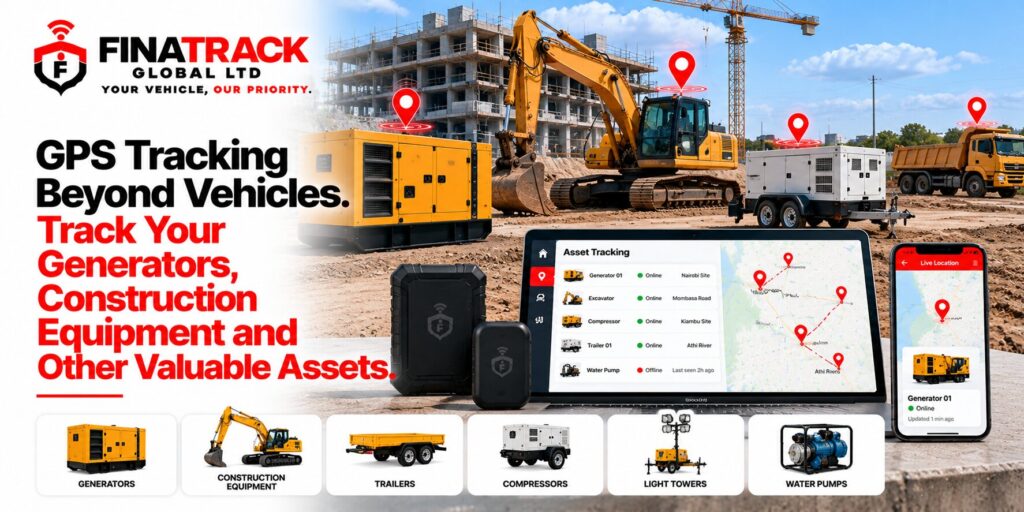
GPS tracking is often associated with cars, trucks and motorcycles, but businesses own many other valuable assets that can move between sites without being permanently attached to a vehicle. Generators, trailers, construction equipment, mobile machinery and other high-value assets may spend weeks at project locations where direct supervision is limited. For companies operating across several […]
The Truck Is Using More Fuel but Driving the Same Route. Is the Problem the Driver or the Vehicle?
A truck that follows the same route every week should normally develop a fairly predictable fuel-consumption pattern. When that pattern suddenly changes, fleet managers often start by questioning the driver, especially if fuel costs rise without any obvious increase in mileage. But higher consumption does not automatically mean misuse. The real cause may be driving […]
Your Vehicle Has Been Stolen and Is Heading Toward the Border. What Should GPS Tracking Show You?
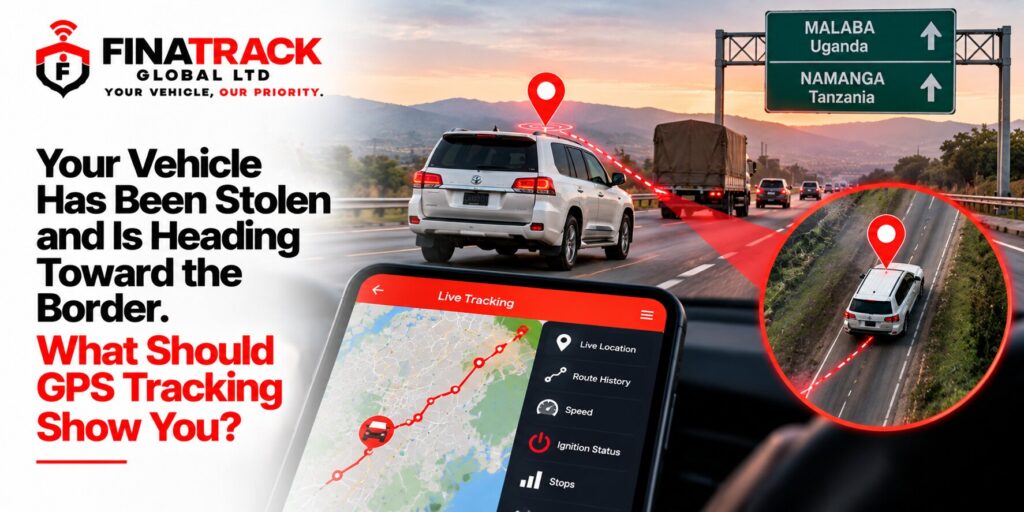
A vehicle disappears from a parking area in Nairobi and within a short time begins moving rapidly away from the city. For the owner, the most important question is no longer simply whether the car has been stolen, but where it is going and whether its movement can still be followed. This is where stolen […]
Electric Cars Are Growing in Kenya. How Should Businesses Manage a Mixed EV and Fuel Vehicle Fleet?

Kenyan businesses are beginning to face a fleet-management question that barely existed a few years ago: what happens when the company parking yard contains petrol vehicles, diesel vehicles, hybrids and fully electric cars at the same time? Kenya officially launched its National Electric Mobility Policy in February 2026, and implementation work has continued through partnerships, […]
Your Fleet Is Growing More Expensive to Run. Which Vehicles Are Wasting the Most Fuel?
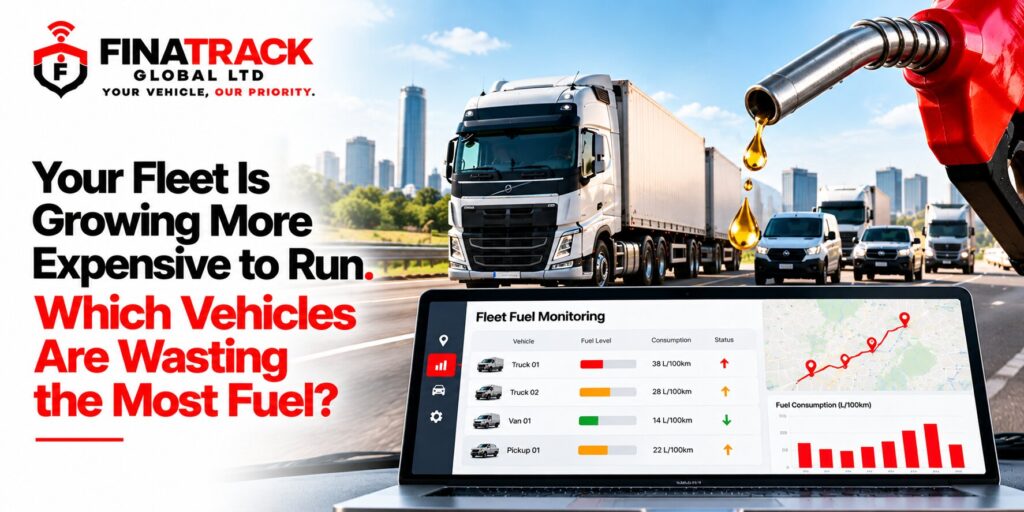
Fuel can quietly become one of the largest operating expenses in a commercial fleet. A company may notice that its monthly fuel bill has increased but struggle to identify which vehicles are responsible. This matters even more in the current cost environment: for the 15 October to 14 November 2026 pricing cycle, EPRA lists maximum […]
Can a Fuel Monitoring System Pay for Itself? How Kenyan Fleets Can Measure the Return
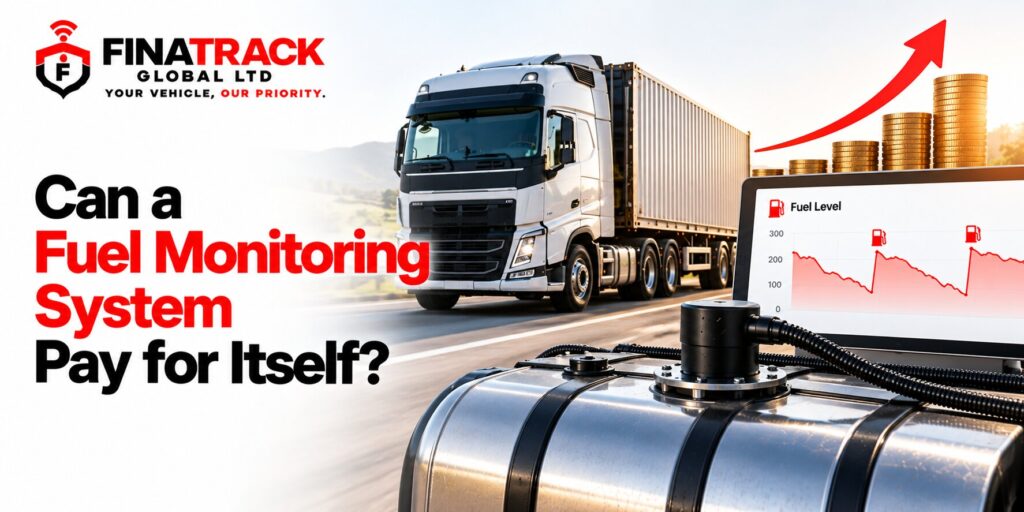
For many transport businesses, fuel is one of the largest and most difficult operating costs to control. A truck may cover the expected route and still consume more fuel than management anticipated, while small unexplained losses can disappear into everyday operating expenses without attracting much attention. This is why many fleet operators are asking whether […]
How Long Should a Fleet Keep AI Dashcam Footage? What Kenyan Businesses Should Consider

AI dashcams can record far more than ordinary road video. Depending on the system, a fleet may collect road-facing footage, driver-facing video, GPS location, timestamps and selected driving events such as distraction or fatigue alerts. This information can be extremely useful after an accident or when reviewing driver behaviour, but keeping every recording indefinitely is […]
How Often Should a Fuel Monitoring System Be Calibrated? What Fleet Owners in Kenya Should Know
A fuel monitoring system can help a business understand refuelling, consumption and unusual fuel-level changes, but the quality of that information depends heavily on correct installation and calibration. When fleet managers notice readings that appear consistently higher or lower than expected, the immediate assumption may be that the sensor has failed. In many cases, however, […]
How Often Should a Fuel Monitoring System Be Calibrated? What Fleet Owners in Kenya Should Know
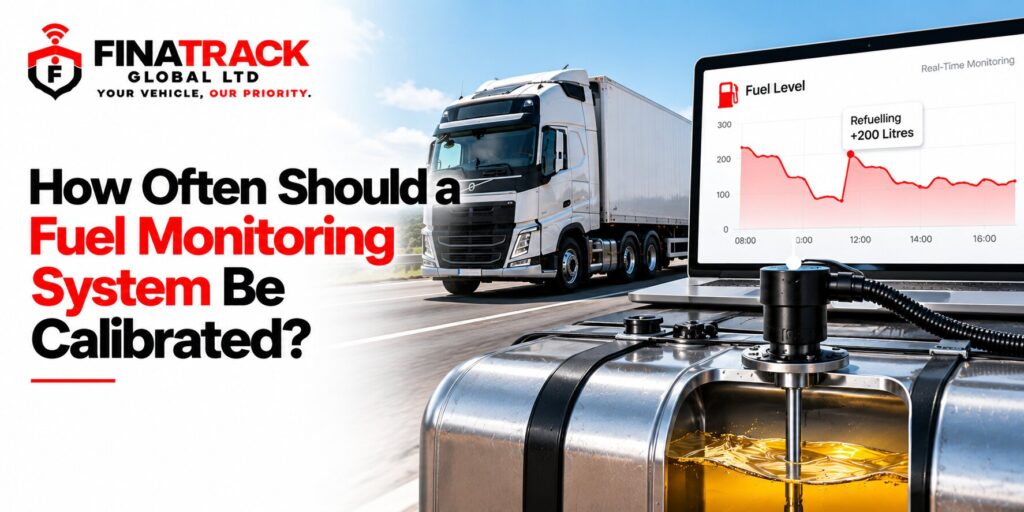
A fuel monitoring system can help a business understand refuelling, consumption and unusual fuel-level changes, but the quality of that information depends heavily on correct installation and calibration. When fleet managers notice readings that appear consistently higher or lower than expected, the immediate assumption may be that the sensor has failed. In many cases, however, […]